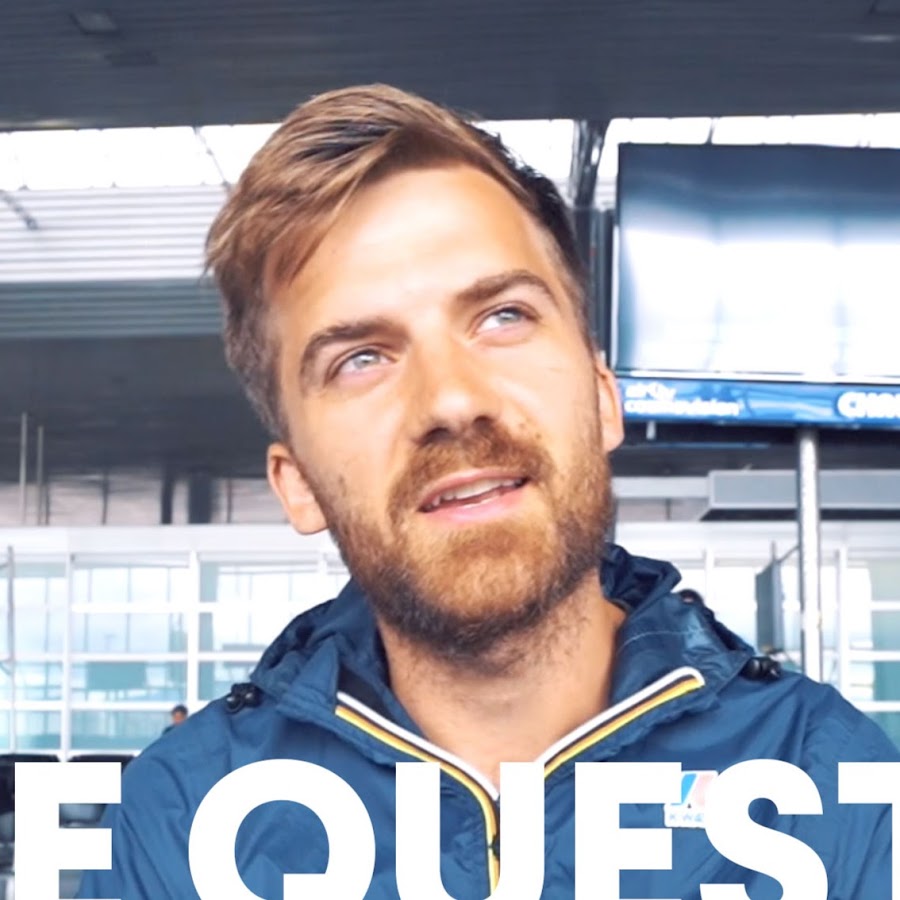
▶ Embedded from YouTube — plays on YouTube's player; views & ad revenue stay with Johnny Harris. We host nothing.
Style analysis
Johnny's production aesthetic is built around a heavy B-roll-to-A-roll ratio: long, deliberate drone shots establishing geography, tightly edited handheld sequences in the field, and a clean sit-down interview setup in the studio. The Sony A7 III is the workhorse that does both the studio talking-head and the run-and-gun field work, while the DJI Mavic 2 Pro provides the aerial perspective that has become his signature geographic storytelling device. The studio is lit with a single Aputure key light kept intentionally restrained — the journalism content is the draw, not the production flex.
Primary body for both studio A-roll and field work. The gear guide (co-authored by Johnny and Iz Harris, linked directly from johnnyharris.ch/faqs) states: 'The camera we have been using is the Sony A7iii. We switched from Canon to Sony at the beginning of 2016.'
Budget pick:
Sony ZV-E10 II — APS-C E-mount body at a fraction of the A7 III price. Same Sony colour science and lens ecosystem, with a flip-out screen optimised for solo creators — the right entry point before committing to full-frame.
View →Listed in the Advanced tier of the Harris gear guide. A constant-aperture ultrawide zoom — the ideal choice for travel-documentary cinematographers who need to go from cramped interiors to wide environmental shots without swapping glass.
Budget pick:
Tamron 17-28mm f/2.8 Di III RXD — Sony-E native f/2.8 ultrawide zoom at roughly half the GM price, meaningfully smaller and lighter — ideal for run-and-gun documentary work where you need the wide angle but can't carry the weight of the GM.
View →Also listed in the Advanced gear tier. The 24-70mm f/2.8 GM covers the two most common focal lengths in talking-head and interview documentary work in a single lens — the choice when you have a fixed studio distance and want versatility without a prime swap.
Budget pick:
Tamron 28-75mm f/2.8 Di III RXD — The go-to Sony-E f/2.8 standard zoom for creators who want the versatility of the GM range without the flagship price. Optically sharp, fast AF, and under a quarter of the GM's cost new.
View →Reported as part of the Harris studio audio rig ('Sony XLR-K2M XLR Adapter Kit with Microphone or a Sennheiser Wireless Lavs'). The XLR-K2M attaches to the Sony A7 III's Multi Interface Shoe and adds balanced XLR mic input — a common field-journalism audio solution.
Budget pick:
Rode VideoMic NTG — Direct-to-camera shotgun with a 3.5mm plug — no adapter needed, half the cost, and good enough for sit-down interview A-roll. The right starting audio upgrade for a creator moving off built-in camera mics.
View →Listed explicitly in the gear guide's lighting section. The Aputure C120D II is also corroborated by the Dan Sanchez studio article, which names 'Aperture Light Storm and Dome' in the Harris home studio. A 180W daylight-balanced COB LED — the standard key light for serious solo-creator studios.
Budget pick:
Aputure Amaran 100x S — Bi-color 100W COB LED from Aputure's budget Amaran line — same Bowens-mount modifier ecosystem as the C120D II, app-controllable, and roughly a third of the price. The right starting studio light for a creator wanting the Aputure workflow without the LS-series cost.
View →Listed alongside Manfrotto Aluminum Legs in the gear guide's tripod section. A professional fluid-head video tripod is essential when re-framing between wide geographic shots and tight interview close-ups — the 502 head's fluid drag is specifically designed for controlled pan-and-tilt moves.
Budget pick:
K&F Concept TM2515M1 Travel Tripod — A budget carbon-fiber travel tripod with a fluid-style head that handles an A7-class mirrorless body. At roughly 15% of the Manfrotto system's price, it is the standard beginner recommendation for creators who need stable video without the pro investment.
View →The gear guide states: 'We use the Mavic 2 Pro for all of our drone footage and photos. It has been super reliable and a game-changer for our films.' Aerial B-roll is a defining element of Johnny's documentary style — wide shots of borders, cities, and landscapes.
Budget pick:
DJI Mini 4 Pro — DJI's current sub-250g flagship drone — sub-registration-threshold weight in most countries, 4K/60fps, obstacle avoidance, and a fraction of the Mavic 2 Pro's now-discontinued price. The obvious starting point for any documentary creator who needs drone B-roll without the regulatory overhead.
View →