Mango Street

Mango Street's Camera Gear & Studio Setup

Photography tutorials · youtube @MangoStreet · instagram @mangostreetlab

Mango Street films with a Canon EOS 5D Mark IV. Below is Mango Street's full camera, lens, microphone and lighting setup — each item cited to a public source video or interview, with a budget-friendly alternative for every pick.

Gear below reflects what Mango Street has publicly disclosed (see sources). Lensbook is not affiliated with Mango Street. Video embedded from YouTube — views and ad revenue remain with the creator.
▶ Embedded from YouTube — plays on YouTube's player; views & ad revenue stay with Mango Street. We host nothing.

Style analysis

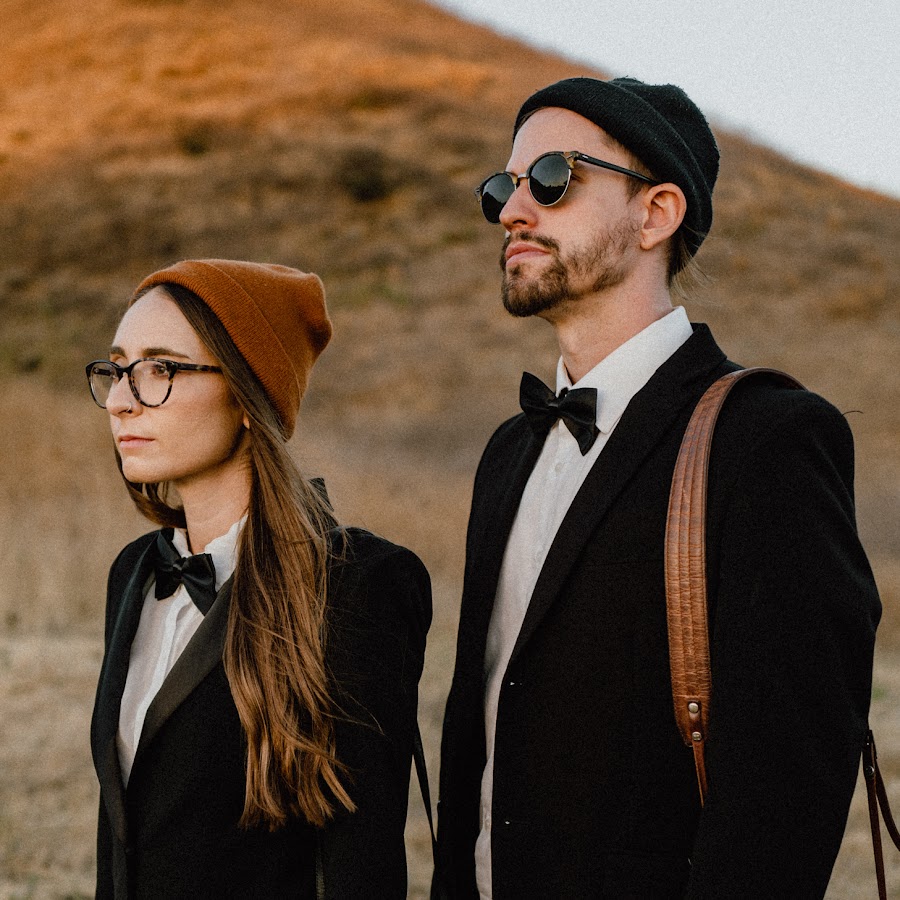
Mango Street's visual identity is built around clean, high-contrast portraiture with strong colour processing — their Canon EF prime-plus-zoom kit lets them move fluidly between intimate 35mm street-style portraits and wide environmental framings within a single shoot. As a duo, Daniel and Rachel split photography and video duties across distinct bodies (a DSLR for stills, a cinema camera for motion), which sets them apart from the 'one hybrid body' workflow dominant among solo creators in this niche. Their tutorials reflect this professional-grade separation of concerns, making their gear choices aspirational but approachable for intermediate photographers.

Their go-to photography body. The 5D Mark IV's 30.4 MP full-frame sensor and Dual Pixel AF made it the consensus professional wedding/portrait DSLR before Canon's mirrorless transition. Also confirmed in their YouTube video 'Our Must-Have Photography Gear for Shooting Weddings (Canon 5D Mark IV Review)'.
Amazonpaid link · #ad
Budget pick: Canon EOS R8 Full-frame Canon mirrorless at a fraction of the 5D Mark IV's original price, with the same colour science and far better AF for portraits. For a beginner stepping into Canon's full-frame system today, the R8 is the natural entry point — and its RF mount means you grow into better glass over time. View →
Their dedicated video body. The C200 records Cinema RAW Light internally to a single CFast slot — a significant jump above a DSLR for professional video work. Mango Street listed it as one of their two video options (alongside the 1DX II), showing they keep still and video workflows on separate dedicated bodies.
Amazonpaid link · #ad
Budget pick: Sony ZV-E10 II For a creator at the beginning of their video journey who doesn't need RAW cinema output, the ZV-E10 II gives you a proper APS-C sensor and Sony's renowned colour science in a compact body at a beginner-friendly price — the cinema features of the C200 are overkill until you're shooting paid client work. View →
Their primary photo lens — a 35mm f/1.4 on a full-frame body gives the slightly-wider-than-normal field of view that's a favourite for environmental portraits and editorial work. The L II version added Canon's Blue Spectrum Refractive Optic to reduce chromatic aberration at wide apertures.
Amazonpaid link · #ad
Budget pick: Sigma 35mm f/1.4 DG HSM Art The Sigma Art 35mm is one of the few third-party primes that genuinely rivals its L-series Canon counterpart in sharpness and bokeh quality, at roughly half the price. It's the classic 'break-in lens' recommendation for photographers who want Canon L quality without the L price tag. View →
Their go-to video lens paired with the 1DX II or C200. A constant f/2.8 ultra-wide zoom is the standard choice for event and wedding videographers: you can push into dark reception venues without sacrificing depth of field, and the 16–35mm range covers everything from full-room establishing shots to closer talking-head framings.
Amazonpaid link · #ad
Budget pick: Sigma 16-28mm f/2.8 DG DN Contemporary A mirrorless-native f/2.8 wide zoom at less than half the price of Canon's L-series version. Slightly narrower range but optically excellent — the smart buy for someone on a Sony or L-mount system who wants the same fast-constant-aperture wide-zoom capability. View →
Last verified: 2026-05-25